A medida que los sistemas solares más almacenamiento continúan expandiéndose globalmente, un problema sigue siendo una preocupación frecuente para instaladores y distribuidores: la compatibilidad de baterías con inversores híbridos.
Por qué la compatibilidad de inversores híbridos importa más en 2026
Con la rápida adopción de marcas como Deye, Growatt, Sungrow y Felicity Solar, el mercado se ha vuelto cada vez más diverso. Sin embargo, no todas las baterías de litio se comunican de forma fluida con todos los inversores.
La mala compatibilidad puede dar lugar a:
Fallas de comunicación entre batería e inversor
Lecturas inexactas del estado de carga (SOC)
Limitaciones de carga/descarga
Paradas inesperadas del sistema
Mayor carga de trabajo de servicio de instalador
Para los EPCs y distribuidores, estos problemas afectan directamente a los plazos de los proyectos y a la satisfacción del cliente.
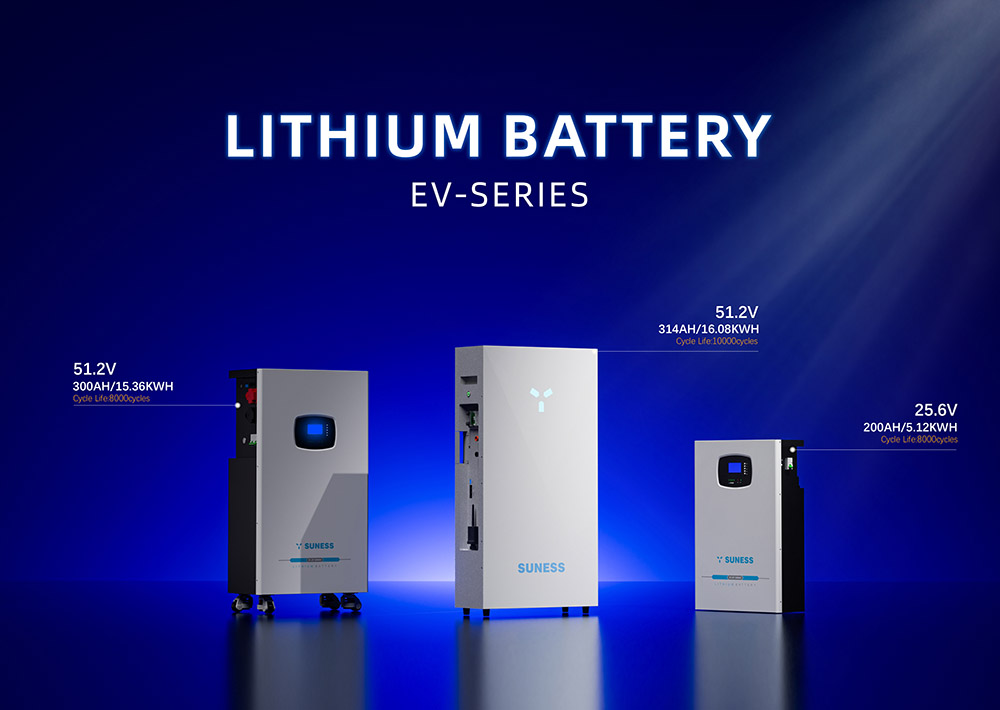
Factores clave que determinan la compatibilidad batería-inversor
1. Protocolo de comunicación (más crítico)
El primer punto de control es si la batería soporta protocolos de comunicación convencionales como:
CAN
RS485
Las baterías de almacenamiento de energía de alta calidad suelen proporcionar reconocimiento automático multiprotocolo, lo que permite una integración más fluida con las principales marcas de inversores híbridos.
Consejo para instaladores: Verifica siempre la lista de baterías soportadas por el inversor antes de desplegar el proyecto.
2. Inteligencia y estabilidad del BMS
Un sistema de gestión de baterías (BMS) robusto desempeña un papel decisivo en la compatibilidad. El diseño avanzado de BMS permite:
Informes precisos de SOC/SOH
Protección contra fallos en tiempo real
Control dinámico de carga-descarga
Adaptabilidad multiinversor
Los sistemas modernos requieren cada vez más coordinación a nivel de firmware entre batería e inversor.
3. Adaptación de la plataforma de voltaje
La mayoría de los sistemas residenciales hoy en día funcionan en:
Plataformas de bajo voltaje de 48V
Sistemas apilados de alta tensión
Seleccionar la arquitectura de voltaje incorrecta puede impedir un arranque adecuado del sistema.
Buena práctica: Confirma la ventana de voltaje de la batería del inversor antes de finalizar la configuración de la batería.
4. Requisitos de escalabilidad paralela
Muchos instaladores ahora despliegan bancos de baterías multiunidad. La compatibilidad debe mantenerse estable cuando los sistemas escalan.
Busca baterías que soporten:
Comunicación paralela estable
Direccionamiento automático
Sincronización multiunidad
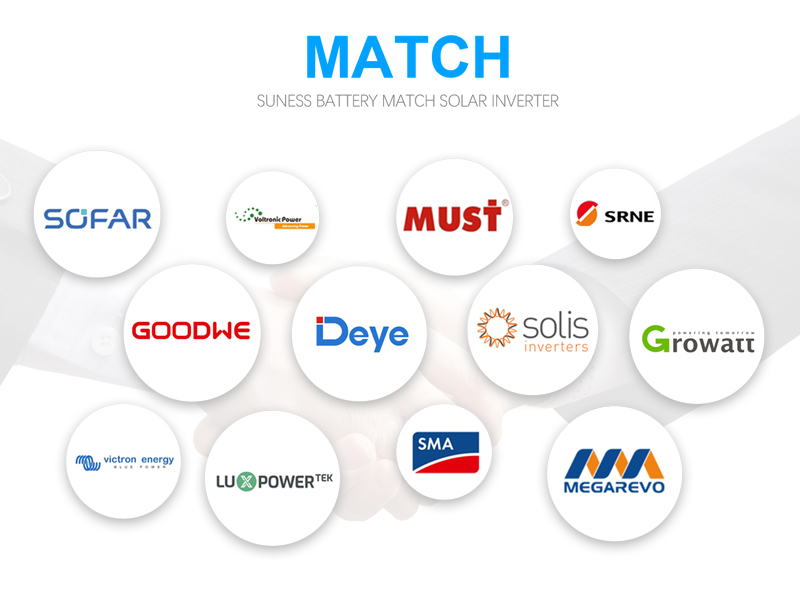
Cómo simplifican las baterías SUNESS la integración de inversores híbridos
Para reducir la complejidad de los instaladores, las baterías de almacenamiento de energía SUNESS están diseñadas teniendo en cuenta una amplia compatibilidad con inversores.
Las principales ventajas de integración incluyen:
Amplia compatibilidad con las principales marcas de inversores híbridos
Soporte de comunicación dual CAN & RS485
BMS inteligente con sincronización de datos en tiempo real
Capacidad estable en paralelo para la expansión del sistema
Interoperabilidad pre-probada para una puesta en marcha más rápida
Estas funciones ayudan a los instaladores a acortar el tiempo de despliegue y a reducir la resolución de problemas in situ.
Lista de verificación práctica antes de la instalación del sistema
Antes de poner en marcha cualquier sistema solar + almacenamiento, los instaladores deben confirmar:
Coincidencia del protocolo de comunicación
Rango de voltaje de la batería
Lista de compatibilidad de inversores
Límites de configuración paralela
Alineación de versiones de firmware
Seguir esta lista de comprobación puede reducir significativamente los problemas posteriores a la instalación.
Reflexiones finales
A medida que el mercado del almacenamiento solar madura, la compatibilidad de inversores híbridos se está convirtiendo en un factor decisivo en la fiabilidad del sistema y la eficiencia de los instaladores.
Elegir una plataforma de baterías diseñada para una integración fluida de inversores no solo mejora la estabilidad del sistema, sino que también reduce los costes de mantenimiento a largo plazo.
Para instaladores y distribuidores que buscan soluciones LiFePO₄ fiables y amigables con inversores, SUNESS sigue centrándose en la interoperabilidad, la seguridad y el diseño escalable de almacenamiento de energía.

 EN
EN
 FR
FR
 AR
AR
 PT
PT
 TL
TL
 MY
MY